Breaking Barriers with Open-Source: My Unorthadox Path into Software Engineering
My Introduction to Programming
Four years ago, I stood at a crossroad. I had stepped away from my previous career and needed a new direction. I saw a software development as a field in high demand, full of opportunity for growth and creativity. At that time, most people hadn't even heard of ChatGPT-3, and artificial intelligence still felt like a distant concept to many. My experience with coding was limited to a few bash scripts, though I was fascinated by building computers and had experimented with Ethereum mining. Despite my limited practical knowledge, I was filled with the determination and drive to not only break into the field, but to be the best engineer that I could be. With this mindset, I enrolled in my first year of study and started learning Python and C#. I even pushed myself beyond the curriculum, teaching myself C, C++, Rust, and JavaScript.
The Disruption and Opportunity of AI
By my second year, OpenAI's ChatGPT was making waves and was dramatically shaking up the industry landscape. My lecturers had mixed feelings on the use of AI in course-work. Some discouraged its use entirely, while others integrated it into our course work. The number of students using AI to complete their work started to grow, people would use AI generated "slop" to just scrape the requirements of course-work, but I chose a different path. My goal was to truly learn and challenge myself. Embracing AI as a supplementary tool proved to be a wise decision because my pace of learning accelerated significantly.
The Challenge: Breaking Through
As AI continued to advance, there was a growing discussion about automation and fears of the "death of junior developers." I underestimated how quickly circumstances would change. Finding a software role in today’s environment often seemed impossible. Even entry-level positions demanded experience, and AI was automating more tasks each day. I sent out dozens, if not hundreds, of job applications. Most went unanswered, and the barrier to entering the industry felt unbreakable.
Still, I persisted. Today, I represent Oceania on the global Diversity & Inclusion Workgroup of the Python Software Foundation. I serve as a Director at DDD Perth, Australia’s largest community-run tech conference. I contribute to cutting-edge data and AI projects and support the very communities that once felt out of reach
 |
| Python Software Foundation - python.org |
What Made the Difference?
My breakthrough did not come from a secret formula or prestigious certificate. The real turning point was discovering the world of open source, a place where code, ideas, and encouragement are shared freely. I began attending my local Python User Group, listening to others, and absorbing lessons from both their successes and failures. I contributed to projects in need of help, entered hackathons, and shifted my focus from trying to be the best engineer to making the greatest positive impact on my community.
Making a Real Impact
- Allow the shire to issue property rates through the app.
- Provide a platform for local businesses to inform residents about upcoming events.
- Notify local farmers about bushfire restrictions and movement bans.
Despite unexpected challenges, such as sudden changes in local legislation, we delivered our application. At graduation, I was awarded the Certificate of Excellence in recognition of our efforts.
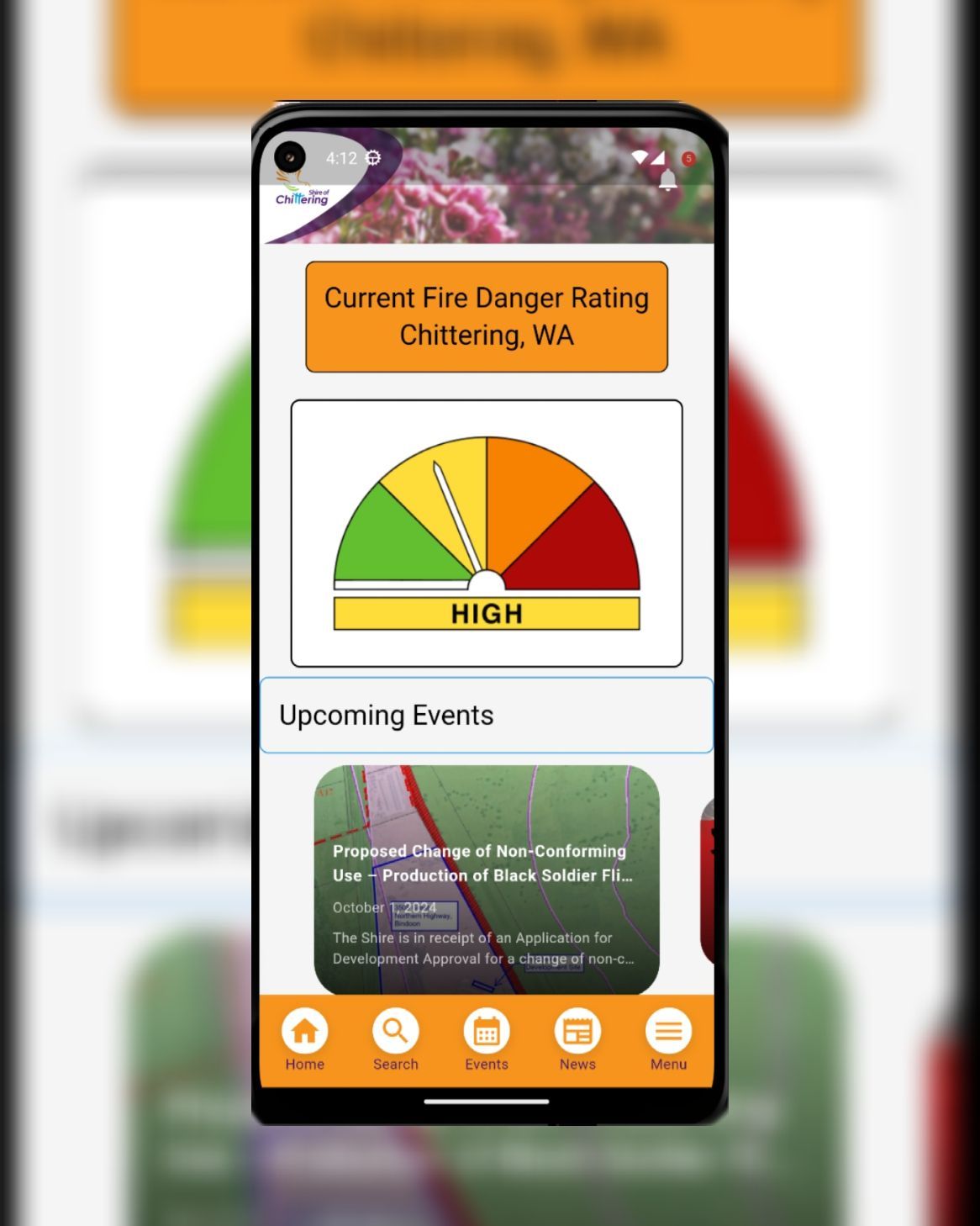 |
| The final product for the Shire of Chittering Community App. |
The Hard Truth
The Power of Open-Source
I got involved by:
- Finding projects that needed hands: I targeted Python projects with “good first issue” or “help wanted” tags, but I didn’t stop there. I joined conversations, tested features, helped with documentation, and chimed in on design discussions.
- Volunteering for community work: I signed up to help at conferences, joining in more high-impact hackathons. My previous leadership and communication skills, which felt invisible on paper, became assets in the open-source world.
- Learning publicly: Instead of hiding my gaps, I was open about what I didn’t know, asked better questions, and shared my “aha!” moments.
"As you get new roles and move up in your career, try to pay it forward and make it easier for those less experienced than you to get a leg up. Interviewing is such a stressful process in general, and you never know who could use your help."
Doors Open That You Don’t Expect
Step by step, my open-source work started opening doors traditional job-seeking couldn’t. People noticed my willingness to help and my commitment to the well-being of the community, not just my technical contributions. Opportunities appeared that I never thought possible. When the Python Software Foundation called for an Oceanic member for the Diversity and Inclusion Workgroup, I applied. I was accepted, and since then I have helped co-found Python Australia the peak national body for Python in Australia, become Director for DDD Perth, and contributed internationally. These opportunities were built through persistence and a focus on community impact, not by chasing job titles or credentials.| Mark Rendle – founder of RendleLabs giving his Locknote presentation at the DDD Perth Conference 2025 |
Lessons I’d Pass to Others
- Impact beats pedigree:
Solving real problems, helping people, and driving positive change outweighs your background or label.
- Open source equals visibility and credibility:
Your contributions become a living, public portfolio, demonstrating how you solve problems, not just what you know.
- All skills count:
Organising, communicating, and leading are just as important as coding, and often overlooked in technology teams.
- Community is everything:
When you support others and help build healthy environments, you quickly move from outsider to insider. The energy you contribute comes back to support you.
Comments
Post a Comment